Hours vary Mesa (602) 619-4185
Panther Garage Doors

Family-owned · Mesa Local

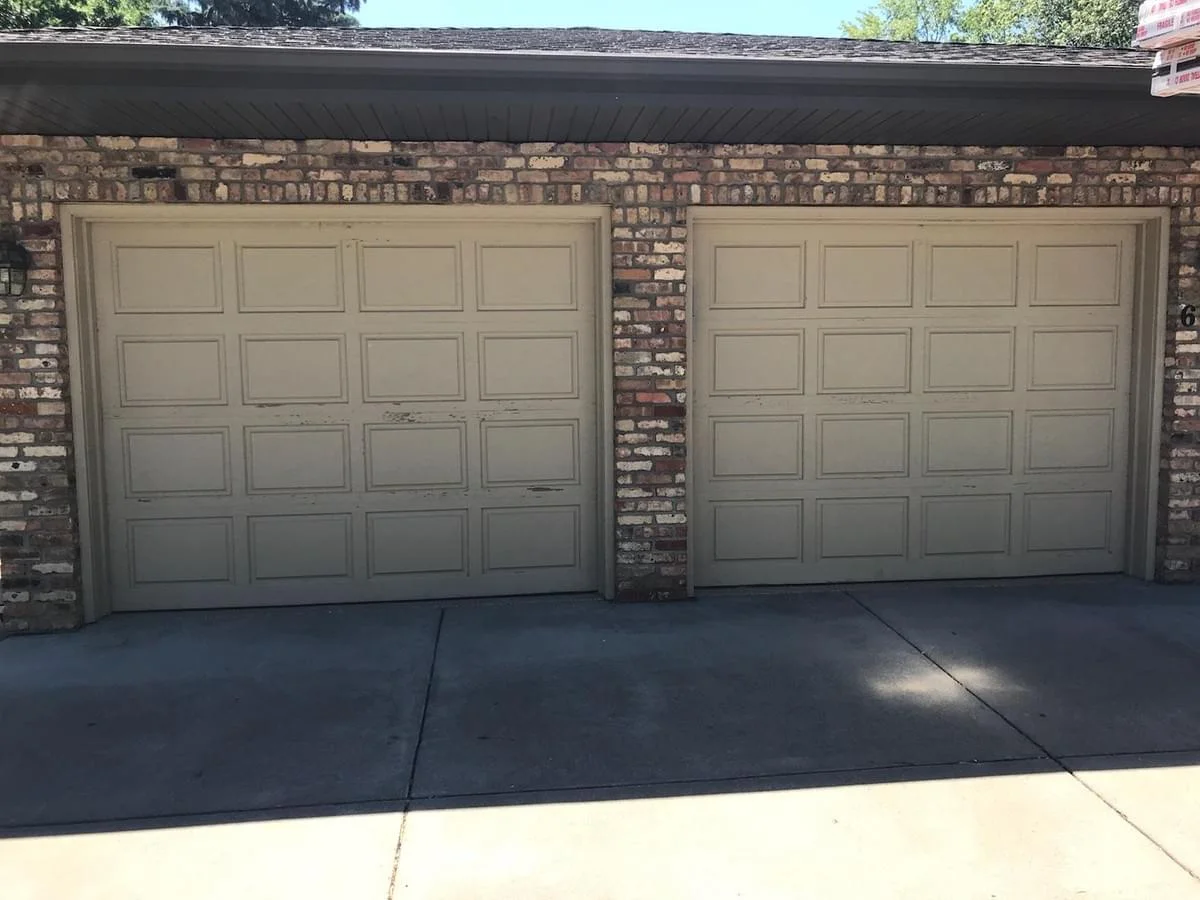
Noisy Garage Door Repair in Mesa

Same-day diagnosis, licensed crew, and 20+ years identifying exactly what's causing the racket.
Noisy Garage Door Repair in Mesa

Request an estimate

Tell us what you need

No obligation · Responds within 1 business day


By submitting this form you agree that we may contact you about your request and share your name and email address with partner companies for email marketing. We never share your mobile number or text message consent with third parties or affiliates for marketing or promotional purposes.

★★★★★
“These guys were early and exceeded expectations. Incredibly professional, knowledgeable and efficient. …”
Gregory W. · Google review

What Makes Mesa Garage Doors Go Loud

Noisy garage door repair in Mesa is one of the most common calls Panther Garage Doors gets, and it's almost never just an annoyance. A grinding, squeaking, banging, or rattling door is the system telling you something is wearing out, and in Arizona's heat, that wear accelerates faster than most homeowners expect. Spencer Carden and the Panther crew have been diagnosing these exact problems for 20+ years across the East Valley. If your door is loud, call (602) 619-4185 and we'll have someone out same day.

What causes the noise matters as much as the noise itself. Worn nylon rollers grind against the track. Dry or corroded garage door springs produce sharp banging or popping during travel. Loose hardware rattles through every cycle. A misaligned track causes scraping that gets worse with every open. Mesa's thermal cycling, 115-degree summers followed by cool desert nights, expands and contracts the metal components repeatedly, and that movement works fasteners loose and strips lubrication from rollers faster than in most other climates. Some of these are straightforward fixes: a lubrication service and hardware tighten can quiet a door in under an hour. Others, like a cracked torsion spring or a worn-out opener drive gear, require parts and professional hands. We don't guess, we diagnose the specific cause and tell you exactly what it needs before we start. Every job is different, contact Panther Garage Doors for an accurate estimate.

Root Causes

Six Reasons Garage Doors Get Loud

Noise is always a symptom. Here's what it usually points to.

Worn or Dry Rollers

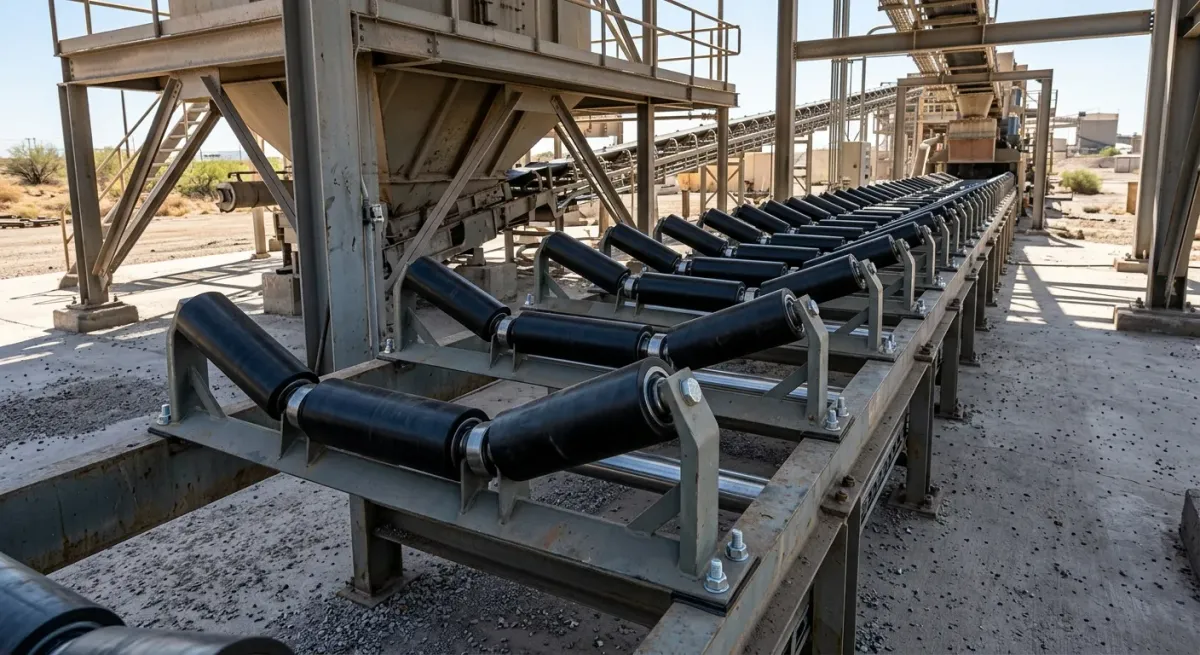
Steel rollers wear flat over time and produce a grinding sound through every travel cycle. Nylon rollers crack in extreme heat. Either way, replacing them is fast, and the difference is immediate, a quiet, smooth door instead of that dragging scrape.

Spring Wear or Damage

Torsion and extension springs make a loud bang or pop when they break. Before they snap, they often creak or groan under load. A worn spring also puts stress on every other component, so the noise rarely stays isolated.

Loose Hardware

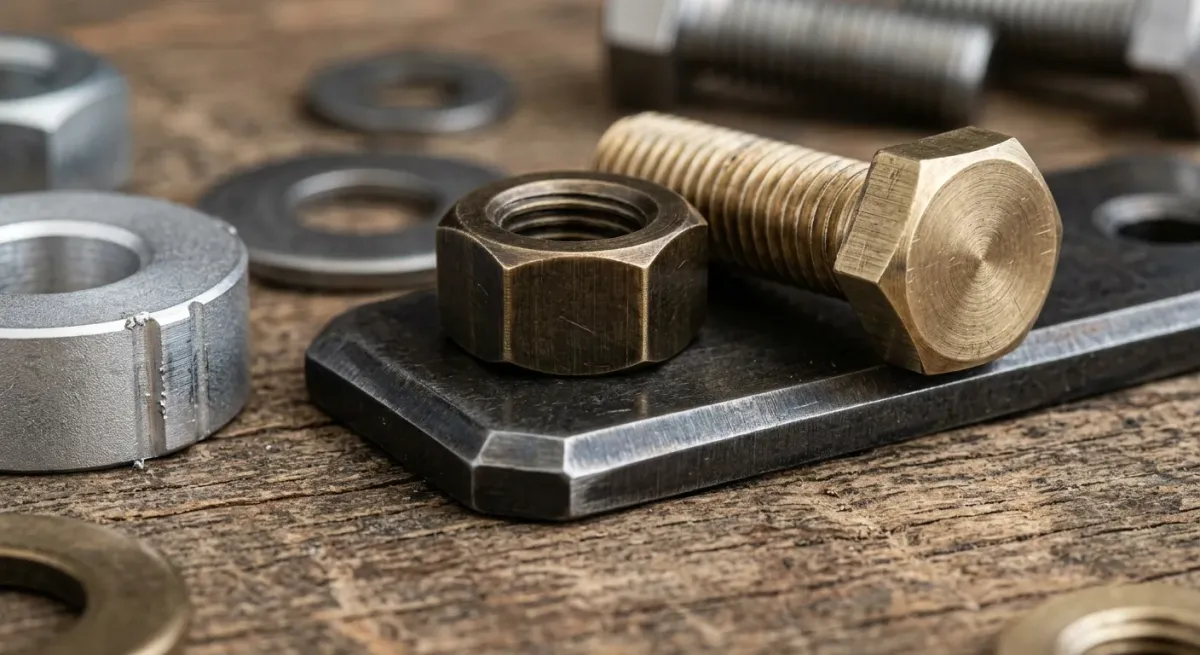
Nuts, bolts, and hinges vibrate loose over years of use. In Mesa's heat, metal expands and contracts daily, which speeds this up considerably. A loose bolt sounds like a rattle or knock that shows up at the same point in the door's travel.

Track Misalignment

If the door scrapes or rubs during operation, the track is likely bent or pulled out of plumb. This can happen from a minor impact or from the gradual movement that Arizona's thermal cycling causes. Off-track doors are both noisy and a safety concern.

Opener Drive Issues

Chain-drive openers rattle more than belt-drives by design, but excessive noise from the motor unit usually means a worn drive gear, a loose chain, or a failing motor. Opener problems compound fast, a struggling motor burns out sooner.

Broken or Missing Weather Seal

A degraded bottom seal lets the door slap against the concrete instead of landing softly. It's the simplest fix on this list and one of the most overlooked. In monsoon season, that missing seal also lets dust and moisture into the garage.

Our Process

What to Expect When We Show Up

  1. Listen and Locate

    We run the door through several cycles and isolate exactly where in the travel the noise is coming from, and at what point. Top of travel, mid-cycle, and landing are different problems. We don't skip this step.

  2. Diagnose the Part

    Once we know the location, we inspect the specific component: rollers, springs, cables, hinges, track, opener. We tell you what we find before anything comes off the door. No surprises on the repair list.

  3. Fix It and Test It

    Parts get replaced or adjusted, hardware gets torqued down, moving parts get properly lubricated. Then we run the door again, multiple times, to confirm the noise is gone and the door is balanced. We don't call it done until the operation is smooth.

DIY vs Pro

What You Can Handle and What You Shouldn't
Homeowners can safely apply a silicone-based lubricant to rollers, hinges, and springs, not WD-40, which attracts dust and evaporates fast in the Arizona heat. You can also check and snug visible bolts on the door panels and track brackets. Those two things alone will sometimes quiet a door that's just been neglected. Everything else belongs to a licensed crew. Spring replacement is the one that sends people to the ER. A torsion spring is under hundreds of pounds of tension, and the tools and technique required to safely adjust or replace one aren't things to improvise. Same goes for cable work. A snapped cable under load travels fast and can cause serious injury. If you're hearing loud banging, grinding that doesn't stop after lubrication, or the door is moving unevenly, call us. Honestly, if you're not certain what you're looking at, call us. A diagnostic visit is free, and getting it wrong with spring hardware is a serious risk.
loose hardware work, professional service in Mesa, AZ

When Noise Means Danger

  1. Loud Bang Followed by a Heavy Door

    This is almost always a broken torsion spring. Stop using the door immediately. A garage door without a functioning spring is extremely heavy, the opener alone cannot safely hold it, and the cables may fail next. This is an emergency repair situation.

  2. Grinding That Gets Worse Each Cycle

    Progressive grinding usually means a roller has shattered or a track has bent to the point of contact. Continuing to operate the door risks pulling the door off the track completely. An off-track door can fall. Stop, disengage the opener if the door is in the up position, and call.

  3. Scraping at the Same Point Every Time

    Consistent scraping at a fixed point in travel often means a panel is catching on misaligned hardware or a bent track section. It gets worse with each cycle as the contact widens the damage. The sooner it's addressed, the less likely you're looking at panel repair or track replacement.

Repair or Replace? How We Help You Decide
Most noisy garage doors get repaired, not replaced. If the noise is coming from rollers, springs, cables, or hardware, those are individual components with individual costs, and replacing them extends the door's life significantly. That's not how Spencer runs this business. That said, there are doors where repair stops making sense. If panel damage is extensive, if the door is structurally bent, or if the steel is so corroded that fasteners won't hold, putting money into repairs is throwing good money at a door that's failing. We'll tell you which situation you're in, straight. If replacement makes sense, we'll walk you through options for a new garage door installation that fits your home and your budget. If repair is the right call, that's what we'll recommend, even if the replacement ticket is larger.
worn or dry rollers work, professional service in Mesa, AZ

Mesa's Climate and Your Garage Door

Mesa's summer highs routinely hit 115 degrees. That's not just uncomfortable. It's mechanically destructive. Lubricants that would last a year in a moderate climate burn off in three to four months out here. Nylon rollers that are rated for a decade can crack in five years when they're cycling through 80-degree temperature swings daily. UV exposure degrades seals and panel finishes faster than most manufacturers' warranties anticipate. Monsoon season adds a second variable: dust storms push fine particulate into tracks and rollers, creating an abrasive paste when combined with any remaining lubricant. That's a major accelerant for grinding noise and premature wear. If your door hasn't been serviced in more than a year, a noisy door is a reasonable outcome. We service the whole East Valley, from Mesa and Gilbert to Chandler and Tempe.
track misalignment work, professional service in Mesa, AZ

What Panther Garage Doors Commits To

20+ years in the East Valley. Same crew, same standards, same day.

Backed personally by

Spencer Carden

Owner · Panther Garage Doors

Licensed crew on every job
No subcontractors. The person who picks up is the person who shows up.
Same-day service available
Mon-Sat 24/7. Sunday 7 AM to 7 PM. We answer when others don't.
Free estimates, no diagnostic fee
You find out what the problem is before you decide what to do about it.
100% satisfaction guarantee
If the noise isn't gone, we're not done.

Noisy Garage Door Questions, Answered

Why is my garage door making a grinding noise?
Grinding almost always points to the rollers or track. Steel rollers wear flat over time, which creates metal-on-metal contact as they move through the track. In Mesa's heat, nylon rollers crack and develop flat spots faster than in cooler climates. Grinding can also come from a bent track section that the rollers are dragging against. A quick inspection identifies which one it is, and roller replacement is typically a same-day fix.
Is a noisy garage door actually dangerous?
It depends on the noise. Squeaking and minor rattling usually aren't urgent safety issues, though they signal maintenance is overdue. A loud bang followed by a door that suddenly feels very heavy is almost always a broken torsion spring. That's dangerous. Stop using the door. A grinding noise that gets progressively worse each cycle means the door may be heading off-track, which can cause the door to fall. When in doubt, stop operating it and call for a same-day inspection.
Can I lubricate a noisy garage door myself?
Yes, and it's one of the few things we genuinely encourage homeowners to do. Use a silicone-based garage door lubricant on the rollers, hinges, and the spring coils. Do not use WD-40. It's a solvent, not a lubricant, and it evaporates in Arizona heat within days. Skip the track itself; lubricating the track collects dust and makes things worse. If the noise persists after proper lubrication, the worn parts need to be replaced, not just lubricated again.
How often should garage doors be serviced in the Phoenix area?
Once a year at minimum, twice if your door gets heavy daily use or if it's an older steel-roller door. Mesa's extreme heat, UV exposure, and monsoon dust accelerate wear on every moving component. An annual maintenance visit catches loose hardware, depleted lubrication, and early roller or spring wear before they become noise complaints or emergency calls. Most homeowners discover their door's been overdue when something finally breaks.
What's the difference between a noisy opener and a noisy door?
Opener noise comes from the motor unit itself, most often a rattling chain, a worn drive gear, or a motor that's working too hard because the door isn't properly balanced. Door noise comes from the physical door components: rollers, springs, hinges, track. They sound similar from inside the house but have completely different fixes. We isolate the source during the diagnostic before recommending any repair, so you're not paying for opener work when the door needs roller replacement.
Will fixing the noise require replacing the whole door?
Rarely. The large majority of noisy garage doors are repaired at the component level: new rollers, a spring replacement, hardware tightening, or cable service. Full replacement makes sense when the door itself is structurally compromised, severe panel damage, significant rust, or a frame that's no longer square. If you're on the fence, we'll give you an honest read on which situation you're in and what each option actually costs.

Your Garage Door Shouldn't Sound Like This

Related

Next step

Tell us about the job

Your name, your number and what needs doing. A person from Panther Garage Doors gets back to you.

Rather talk now?(602) 619-4185

No obligation · Responds within 1 business day


By submitting this form you agree that we may contact you about your request and share your name and email address with partner companies for email marketing. We never share your mobile number or text message consent with third parties or affiliates for marketing or promotional purposes.